
From Waste to Warmth: Your Materials Guide for Greener Homeware

We’re exploring a materials guide to recycled and bio‑based homeware, turning manufacturing leftovers, bottles, crops, and fibers into useful pieces that feel good to hold and easy to love. Discover how origin, processing, certifications, and care influence performance, safety, and beauty. Expect practical comparisons, honest trade‑offs, and maker stories that demystify jargon. By the end, you’ll know what to buy, how to maintain it, and where to send each item when its hardworking life finally ends.

Lifecycle Thinking, Simplified

Think in loops: sourcing, production, use, and afterlife. Ask where inputs came from, how much energy shaping required, whether the product performs long enough to offset impacts, and what happens next. Choose durability with repair paths, modular parts, and take‑back or recycling access you can actually reach.

Labels You Can Trust

Look for transparent, third‑party marks and clear disclosures. For recycled content, GRS and Recycled Claim Standard help. For wood and paper, FSC or PEFC guide responsible sourcing. For bio‑based claims, USDA BioPreferred clarifies percentages. For compostables, BPI or OK compost matter. Prioritize labels paired with aftercare instructions.

Navigating Trade‑Offs Without Guilt

No material is perfect. Glass can be heavy; bamboo composites may contain polymer binders; recycled plastics can scratch. Map your needs: heat, moisture, food contact, noise, and feel. Buy fewer, better items, maintain them attentively, and plan realistic end‑of‑life choices in your city’s system.

Decoding Recycled and Bio‑Based Choices at Home

Start with clear definitions that matter at the sink, stove, and shelf. Recycled means using existing materials again, reducing extraction and often energy. Bio‑based draws carbon from recent biological sources, not prehistoric fuels. Both can shine, yet standards, additives, and design details determine real impact. We’ll translate lifecycle thinking into everyday decisions, showing how to evaluate claims without spreadsheets, and how to support brands that publish data, accept returns, and keep materials looping responsibly.

Plastic, Reimagined: Safer Second Lives in Kitchens and Baths

Recycled plastics can earn a place beside your sink when they are thoughtfully sourced and shaped. Mechanical recycling turns bottles into rPET or HDPE flakes; advanced processes can restore monomers for near‑virgin performance. Texture, dye choices, and product thickness affect longevity. We’ll explore how cutting boards, caddies, and organizers made from credible streams stand up to water, soap, and friction while reducing demand for new fossil feedstocks and supporting cleanup economies worldwide.

Plant‑Powered Materials That Actually Perform

Bamboo Laminates and Molded Composites

Bamboo’s rapid growth and fiber strength shine when lamellas are laminated with low‑emission resins, then shaped into trays or utensil handles. Verify formaldehyde standards like E0 or CARB compliance. Hand‑wash to preserve glue lines, oil periodically to repel moisture, and store vertically for airflow. Retire worn pieces by sanding for shop rags or craft projects, reserving municipal disposal only when splintering or deep cracks compromise safety during kitchen use.
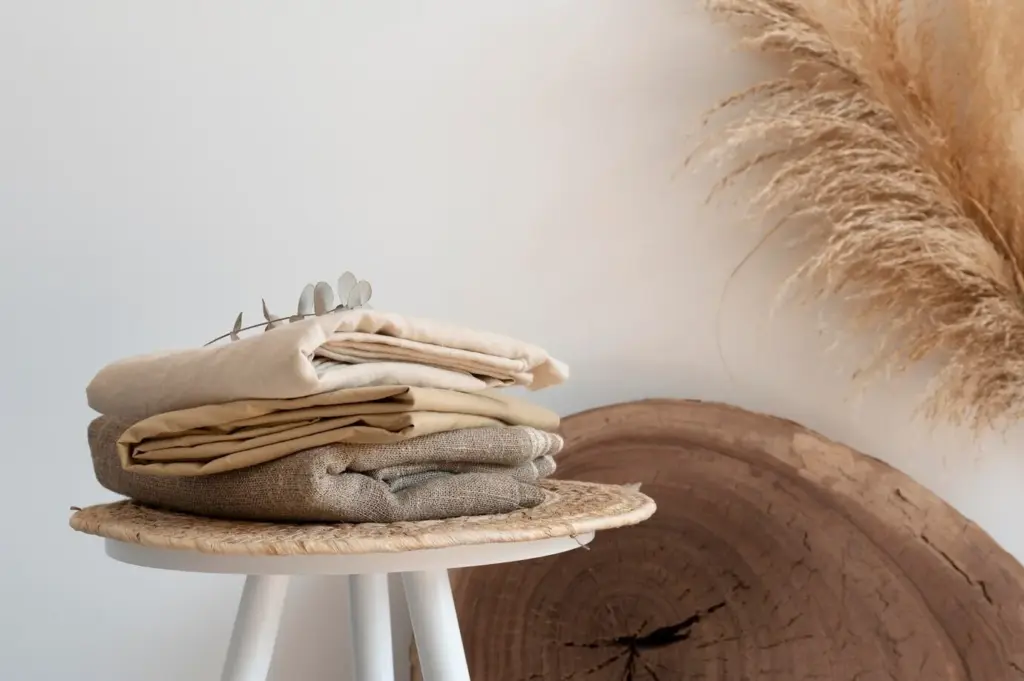

Cork: Quiet, Resilient, Naturally Fire‑Tempered

Bamboo’s rapid growth and fiber strength shine when lamellas are laminated with low‑emission resins, then shaped into trays or utensil handles. Verify formaldehyde standards like E0 or CARB compliance. Hand‑wash to preserve glue lines, oil periodically to repel moisture, and store vertically for airflow. Retire worn pieces by sanding for shop rags or craft projects, reserving municipal disposal only when splintering or deep cracks compromise safety during kitchen use.

Bagasse and Agricultural Fibers

Bamboo’s rapid growth and fiber strength shine when lamellas are laminated with low‑emission resins, then shaped into trays or utensil handles. Verify formaldehyde standards like E0 or CARB compliance. Hand‑wash to preserve glue lines, oil periodically to repel moisture, and store vertically for airflow. Retire worn pieces by sanding for shop rags or craft projects, reserving municipal disposal only when splintering or deep cracks compromise safety during kitchen use.

Glass and Metal: Infinite Loops with Sparkle and Strength

Few materials circulate as elegantly as glass and aluminum. High recycled content lowers energy use while keeping clarity and strength impressive. Temperatures, annealing, and alloy choices determine durability, so understanding how your tumblers, trays, or utensil holders were made helps prevent chips and bends. We’ll pair practical handling habits with sourcing tips, showing how to support furnaces using cullet, mills buying scrap, and brands publishing recycled percentages rather than vague sustainability headlines.

Reclaimed Wood Boards and Joinery Details

Boards crafted from reclaimed planks carry history in their grain while sparing fresh logs. Choose hardwoods for knife marks that patina elegantly. Finish with mineral oil or hardwax to resist moisture. Rotate surfaces, avoid dishwashers, and flatten minor warps with light clamping after misting. When deeply worn, plane to reveal new life, then repurpose offcuts as coasters. Seek makers who document salvaged origins, connecting your table to barns, gym floors, or theater stages.

Molded Pulp Organizers and Giftable Trays

Pulp formed from recycled paper becomes surprisingly sturdy trays and drawer inserts. Stiffness depends on fiber length, pressing pressure, and water‑based coatings. Keep them dry, wipe spills promptly, and store away from steam. Perfect for jewelry, stationery, or wrapped snacks, they replace plastic bins gracefully. At end of life, flatten and recycle with paper if coatings allow, or compost in municipal streams. Decorate with natural inks, and share your color experiments with friends.

Care, Lifespan, and Afterlife: Keeping Value in the Loop

Beautiful materials deserve routines that honor them. Small habits multiply impact: gentle cleaners, appropriate heat, timely drying, and seasonal checkups extend service years, lowering total footprints more than any single purchase. We’ll outline easy maintenance schedules, repair mindsets, and straightforward end‑of‑life pathways with real addresses and directories you can use. Share your wins, ask questions in the comments, and subscribe for updates as we test products, interview recyclers, and publish transparent failure lessons.

Cleaning Routines That Protect Surfaces and Planet

Match cleaners to materials: pH‑neutral soap for most surfaces, vinegar only where safe, baking soda for gentle abrasion. Use soft brushes, rinse thoroughly, and air‑dry to prevent mildew. Microfiber captures dust efficiently; wash full loads inside a bag that reduces fiber shedding. Schedule quick weekly checkups to catch stains early, preventing deep cleans that consume energy. Post your favorite low‑waste hacks, helping neighbors refine routines that respect both materials and waterways.

Repair, Refinishing, and Creative Upcycling

Treat damage as a design prompt. Tighten fasteners, re‑oil wood, dab food‑safe epoxy into chips, and repaint metal with low‑VOC coatings. Swap worn gaskets or feet before retiring whole items. Host a repair night, trading skills and spare parts. Photograph step‑by‑step fixes to build confidence for others. When beyond repair, harvest hinges, jars, and screws for future projects. Upcycling stories keep value alive and spark local pride around ingenuity, thrift, and craftsmanship.


Rufurelixefexixeli
Privacy Overview

This website uses cookies so that we can provide you with the best user experience possible. Cookie information is stored in your browser and performs functions such as recognising you when you return to our website and helping our team to understand which sections of the website you find most interesting and useful.